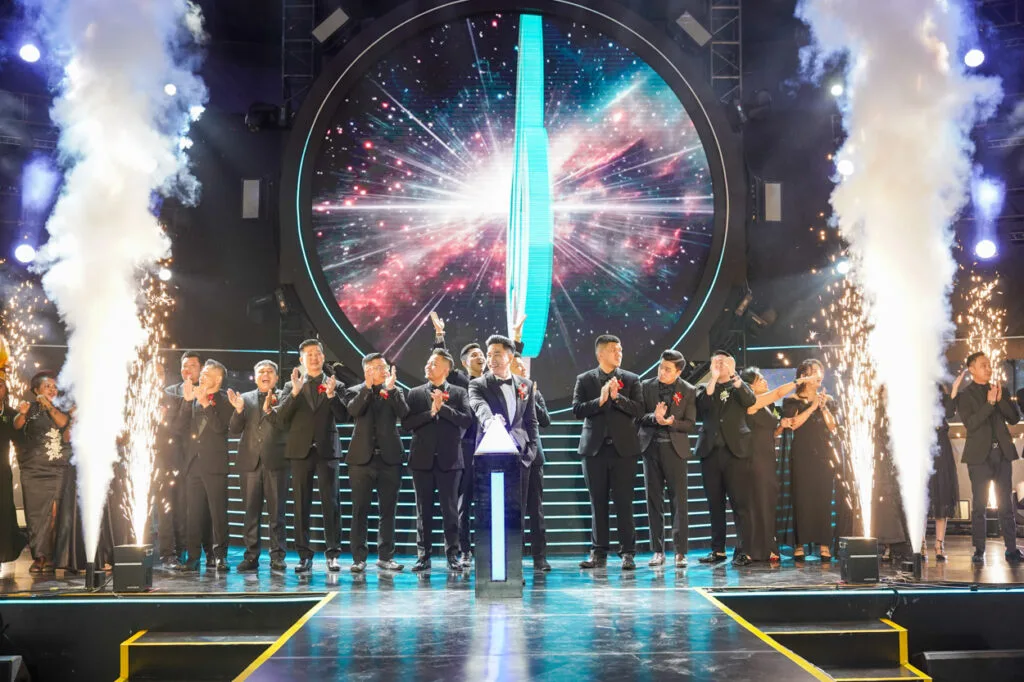
Corporate event documentation is one of the highest-risk photography assignments. Unlike a studio session, you cannot pause, repeat, or reshoot a keynote speaker's important moment or the exact moment your CEO shakes hands with a key partner. Events are live, uncontrolled, and unforgiving - which is why preparation must be meticulous.
Over the years, we have photographed hundreds of corporate events in Jakarta - from intimate board dinners to annual galas with 2,000 attendees. Here is the checklist we use internally, now shared so you can use it to brief your photographer - or assess whether your current process captures everything it should.
Two Weeks Before the Event
Brief Your Photographer Properly
The most important conversation happens before any camera is raised. Your photographer needs to understand:
- The purpose of the event - an internal celebration, press launch, client event, or awards night each requires a different documentation approach
- Key people who must be photographed - provide a list of names and ideally photos so the photographer can recognise VIPs immediately
- The tone you want to communicate - formal and authoritative, or warm and celebratory?
- How the photos will be used - press releases, internal reports, LinkedIn, printed in an annual report?
- Your brand's visual identity - share your brand guidelines if available
Prepare a one-page event brief. Include the full schedule, key people's names and photos, venue address, your contact number on the day, and any access restrictions the photographer should know in advance.
Create a Shot List
A shot list is not a creative obstacle - it is insurance. It ensures essential images are captured regardless of what happens. For a typical corporate event, the shot list should include:
- Venue establishing shots - exterior and interior before guests arrive
- Branding and signage - branded stage backdrops, registration desks, directional signage
- VIP arrival and welcome sequence
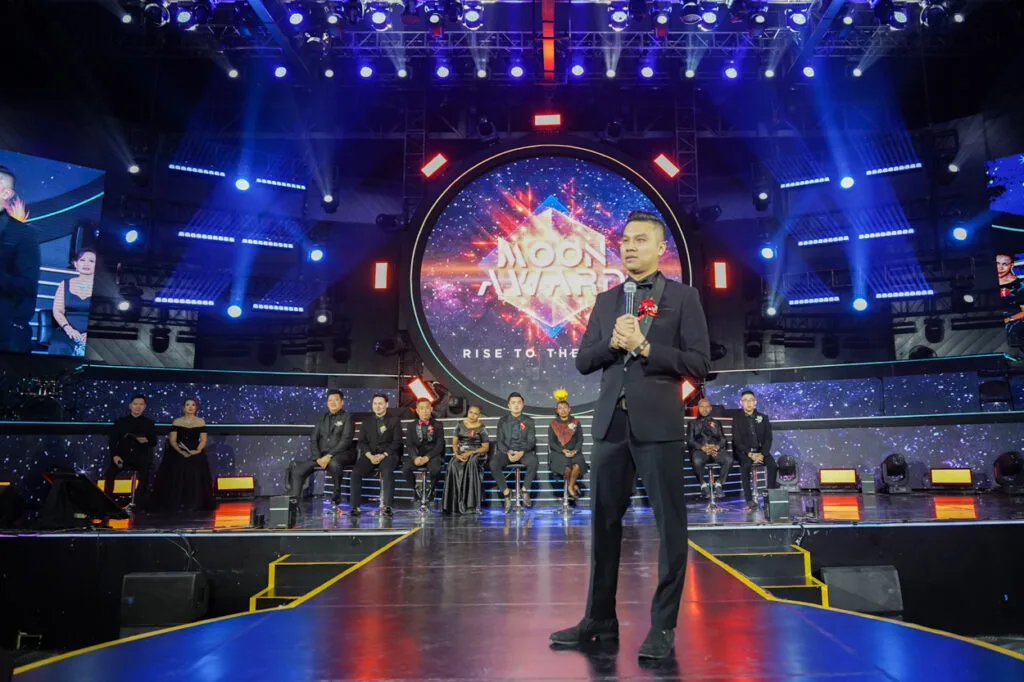
- Speakers at the podium - wide, medium, and close-up shots during key moments
- Audience reaction shots
- Networking moments - real conversations, not forced handshakes
- Group photos - confirm exactly which groups are needed and at what time
- Award or certificate presentations (if applicable)
- Closing moments and the energy as the audience leaves
One Week Before the Event
Venue Survey
Visit the venue with your photographer before the event day. This is important for understanding lighting conditions, identifying the best shooting positions, and planning logistics. During the survey, assess:
- The balance of natural vs artificial light - is flash necessary? Is it appropriate?
- The position of the stage and speakers relative to the audience - can the photographer move freely between positions?
- Background quality from the main shooting positions - are there distracting elements?
- Access routes - where can the photographer stand without obstructing guests or sightlines?
- Power and charging access for spare batteries
"A venue looks very different when empty compared with when it is full with event lighting. A venue survey for a ballroom event with 500 guests cannot be overlooked - light, crowds, and access all change fundamentally."
Confirm Logistics
- Confirm the photographer's arrival time - usually 60–90 minutes before guests arrive
- Ensure access to backstage areas, the green room, or VIP rooms if relevant
- Share the final rundown as soon as it is available
- Confirm whether any segments require additional lighting (awards, team photo sessions)
On the Day: Before the Event Begins
- The photographer should arrive 60–90 minutes early to survey the light, test exposure, and photograph the venue setup before guests arrive
- Introduce the photographer to the PIC from your team who will assist throughout the event
- Confirm the shot list schedule with the photographer and event coordinator
- Identify and brief the photographer on VIP locations, special areas, or sensitive segments
 >
During the Event
- Ensure the photographer never obstructs the audience's main sightline to the stage
- For award sessions: give the photographer a cue or signal 2–3 minutes before they begin
- Avoid giving the photographer new instructions during a session - trust the agreed brief
- If there is a sudden change to the rundown, inform the photographer immediately
Free Consultation
Need a photographer for your project?
Tell us your requirements to discuss a suitable estimate and scope. Response time depends on the schedule and completeness of the brief.
Chat on WhatsApp NowAfter the Event: Delivery and Use
- Agree on the editing turnaround time - Review and delivery timing are agreed during project scoping.
- Specify the required file formats: web-ready JPEG, high-resolution PNG, or both
- Determine how many photos will be edited - usually 100–200 photos for a full-day event
- Discuss whether watermarks, colour labelling, or folder categorisation are needed
- Store the final photos in cloud storage with a clear folder structure for future use
FAQ - Common Questions About Corporate Event Documentation
When should I hire an event photographer?
Ideally, contact your corporate event photographer at least 2–4 weeks before the day. For large events (500+ attendees) or events on popular dates, booking 1–2 months in advance is recommended. The earlier you get in touch, the more time there is for joint preparation that produces better results.
How many photographers are needed for a corporate event?
For events with up to 200 attendees, one experienced photographer is usually sufficient. For events with 200–500 attendees, or events with several simultaneous areas/sessions, 2 photographers are recommended. Events with over 500 attendees or multi-day events generally require a team of 3+ photographers for comprehensive coverage.
What should be included in a brief for an event photographer?
An effective brief includes: the complete event rundown, a list of names and photos of key people (VIPs, speakers, awardees), the intended use of the photos (social media, annual reports, press releases), the desired visual tone, on-site contact details, and venue access restrictions. The more detailed your brief, the more assured the results.
Need a professional photographer for your corporate requirements?